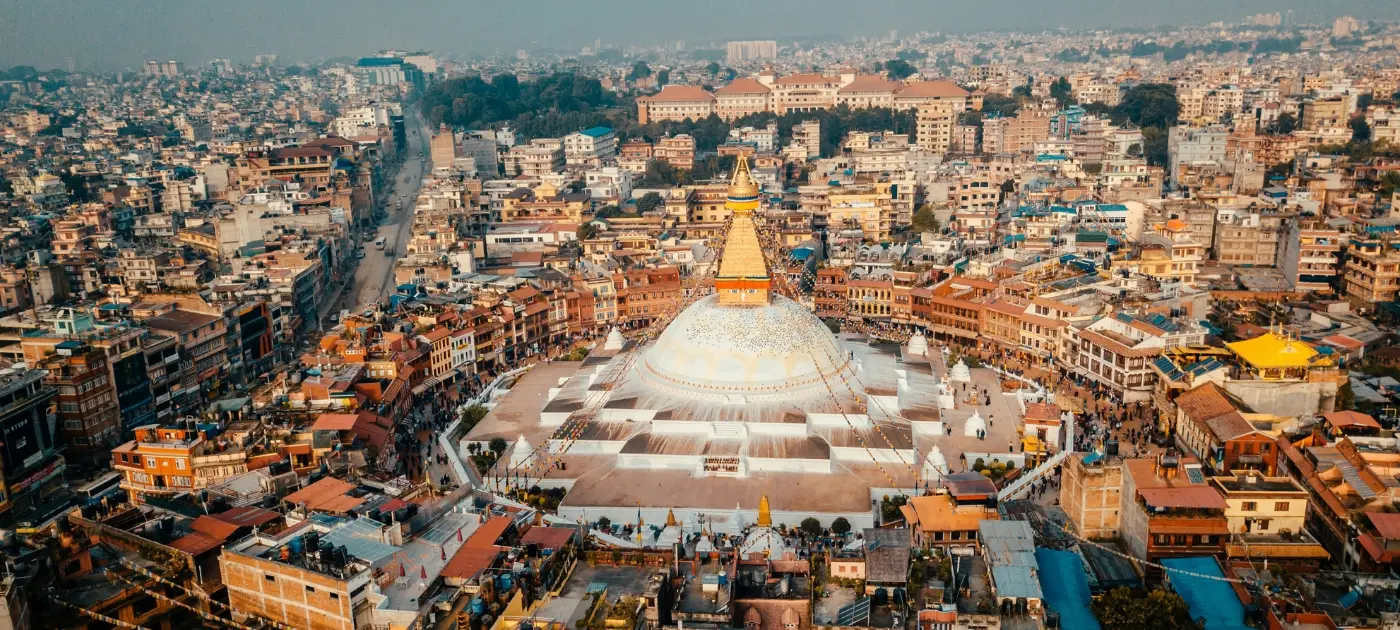

Kathmandu is not only the entrance to the Himalayas; it serves as a vibrant museum. In the limited area of the Kathmandu Valley, there exists a cluster of historic locations unmatched globally—seven of which are recognized together as a UNESCO World Heritage Site.
For those with constrained schedules, the most fulfilling way to delve into this cultural and spiritual richness is via a focused 3-Day Kathmandu UNESCO Tour. This itinerary, crafted by Walkers Expedition, thoroughly guides you through the history, art, and spirituality of the three royal cities: Kathmandu, Patan, and Bhaktapur.
This is the definitive guide for discovering the Seven Jewels of the Kathmandu Valley in three captivating days.
.jpg)
The Seven Gems: A Summary
The UNESCO recognition of the Kathmandu Valley encompasses seven unique sites that highlight the exquisite Malla-era architecture and the harmonious connection between Hinduism and Buddhism in Nepal:
- Three Durbar Squares: Kathmandu, Patan, and Bhaktapur (Palaces & Temples of the Royals)
- Two Stupas: Swayambhunath and Boudhanath (Buddhist Pilgrimage Sites)
- Two Hindu Temples: Pashupatinath and Changu Narayan (Historic Holy Places)
The Walkers Expedition 3-Day Cultural Itinerary
This schedule is crafted to group sites geographically, minimizing travel time and maximizing your exploration.
Day 1: Spiritual Immersion – The Heart of the Capital
The first day focuses on the essential spiritual centers located closest to central Kathmandu (Thamel).
| Time | UNESCO sites | Key Features |
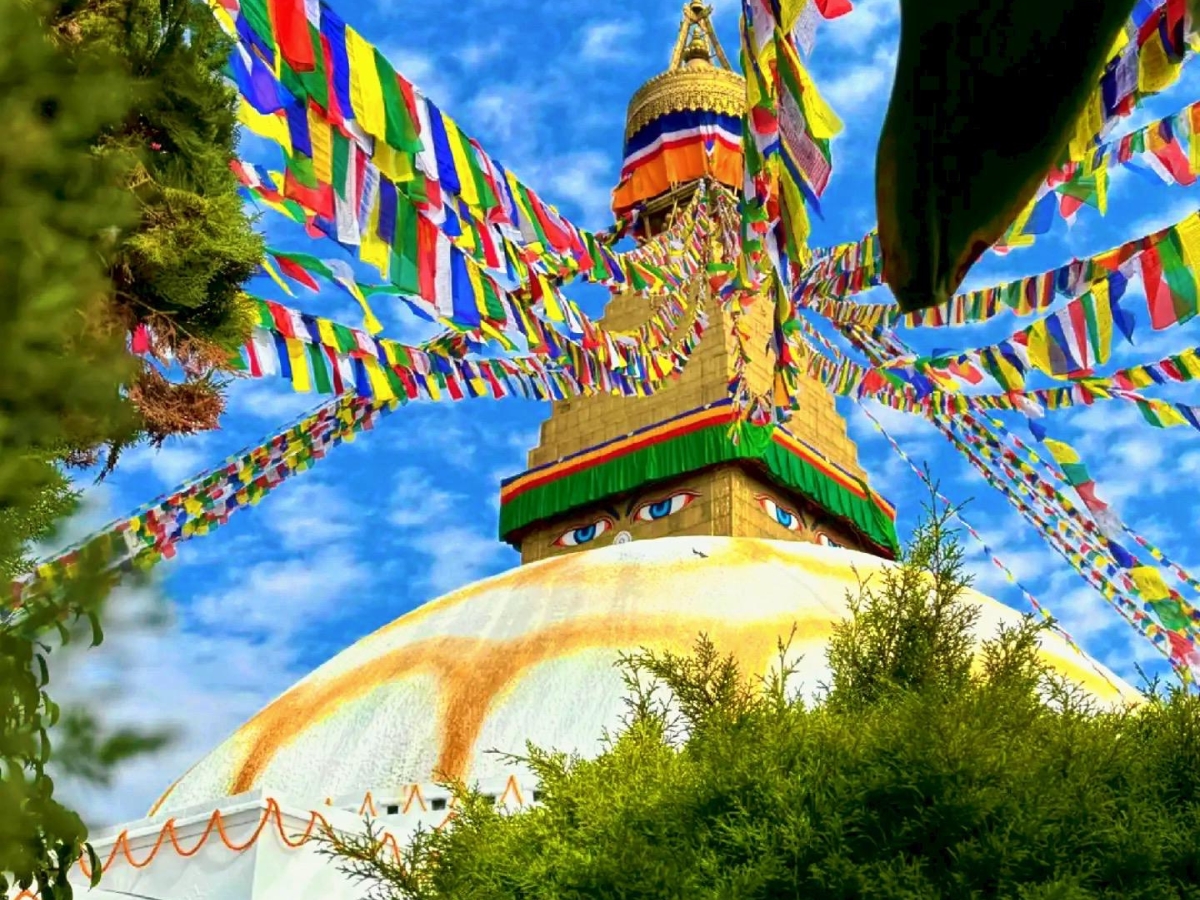
| Morning | Swayambhunath Stupa (The Monkey Temple) | Start high on a hill overlooking the city. Famous for its white dome, Buddha's all-seeing eyes, and the steep climb up 365 steps. Sacred to both Buddhists and Hindus. |
| Mid-Day | Kathmandu Durbar Square | Explore the old royal palace complex (Hanuman Dhoka), the Kumari Ghar (residence of the Living Goddess), and intricate pagoda-style temples. Witness the Newari craftsmanship at the city's chaotic heart. |
| Afternoon | Pashupatinath Temple | Nepal's holiest Hindu temple dedicated to Lord Shiva. Non-Hindus can observe the ancient architecture and the deeply spiritual cremation rituals along the banks of the Bagmati River (best visited late afternoon/early evening). |
| Evening | Boudhanath Stupa | Visit one of the largest spherical stupas in Asia. Join the Tibetan pilgrims and local devotees making the kora (ritual circuit) as hundreds of butter lamps are lit, creating an unforgettable atmosphere. |
Day 2: Medieval Mastery – The Cities of Art and Devotion
Day two travels slightly outside the core city to explore Patan and the ancient, perfectly preserved city of Bhaktapur.
.jpg)

| Time | UNESCO sites | Key Features |
| Morning | Patan Durbar Square | Known as the "City of Fine Arts". Explore the finest examples of Newari architecture, metalwork, and cravings. Highlights include the Krishna Mandir and the Patan Museum(inside the old palace). |
| Mid-Day | Patan | Enjoy authentic Newari cuisine in a rooftop cafe overlooking the square |
| Afternoon | Bhaktapur Durbar Square | The best-preserved of the three royal cities. Feel like you've stepped back in time. Key features are the 55-Window Palace, the Golden Gate, and the towering five-storey Nyatapola Temple. Explore the nearby Pottery Square. |
| Evening | Bhaktapur | Stay until sunset enjoy the quiet, illuminated ambiance and the preserved medieval lifestyle. |
Day 3: Ancient Roots & Cultural Farewell
The final day focuses on the oldest site in the valley before returning to Kathmandu.
.jpg)
| Time | UNESCO sites | Key Features |
| Morning | Changu Narayan Temple | Travel to the final, isolated UNESCO site-the oldest temple in Nepal, dedicated to Lord Vishnu. The site is famous for its detailed stone and metal cravings dating back to the 5th century. |
| Mid-Day | Bhaktapur/Kathmandu | Enjoy a final cultural lunch. |
| Afternoon | Cultural Experience | Use the final afternoon for a visit to a local traditional woodcraving workshop, a Thangka painting school, or a final shopping trip in the alleyways of Thamel. |
| Evening | Farewell Dinner | Conclude the tour with a Traditional Nepali dinner. |
Essential Cultural Tips for the Kathmandu Valley
1. Navigating Entrance Fees
All major UNESCO sites charge a mandatory entry fee for foreign nationals (typically $\sim NPR 1000$ to $\sim NPR 1500$). These fees are vital for the ongoing conservation and restoration of the monuments, especially post-earthquake. Keep the receipts; they are often valid for the entire day.
2. Dress Code and Respect
Nepal is a conservative society, particularly in religious centers.
- Temples: Always remove your shoes before entering any temple courtyard. Dress modestly (shoulders and knees covered) when visiting sites like Pashupatinath and Boudhanath.
- Photography: Always ask for permission before taking close-up photos of individuals, especially monks, sadhus, or pilgrims.
3. The Spiritual Blend
Note the unique blend of Hindu and Buddhist deities at sites like Swayambhunath (where Hindu shrines surround the main Stupa) and in the Durbar Squares. The seamless integration of these faiths is a cornerstone of Newari culture and one of the valley's most fascinating aspects.
4. The Newari People
The original inhabitants and artists of the Kathmandu Valley, the Newars, are the keepers of this culture. Take time to appreciate the intricate wood carvings on the windows and the metalwork on the temple spires—it is their millennia-old legacy.
The Kathmandu UNESCO Tour 3 Days offers a deep, holistic view of Nepal's cultural identity. It is the perfect standalone tour or the necessary cultural immersion before you embark on your Himalayan trekking adventure. If you want to learn more about this trip, contact us through, [email protected]. Or leave us a message in Whatsapp- +977-9841694061 / +977-9700859521.